The honest answer: it depends on the guard
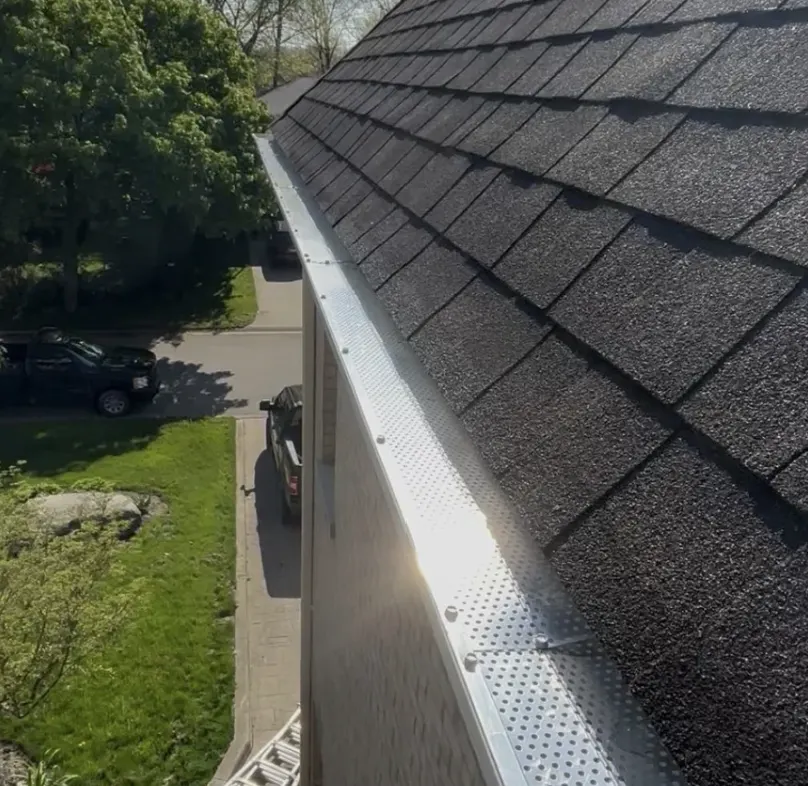
Cheap plastic screens from the hardware store crack in freeze-thaw cycles, sag under snow load, and let maple keys and pine needles straight through - those are not worth it anywhere, let alone in Ontario. High-performance mesh and low-profile aluminum guards engineered for Canadian conditions are a different product: they shed heavy rainfall, stand up to ice, and block the small debris that defeats basic screens.
What Canadian winters actually test
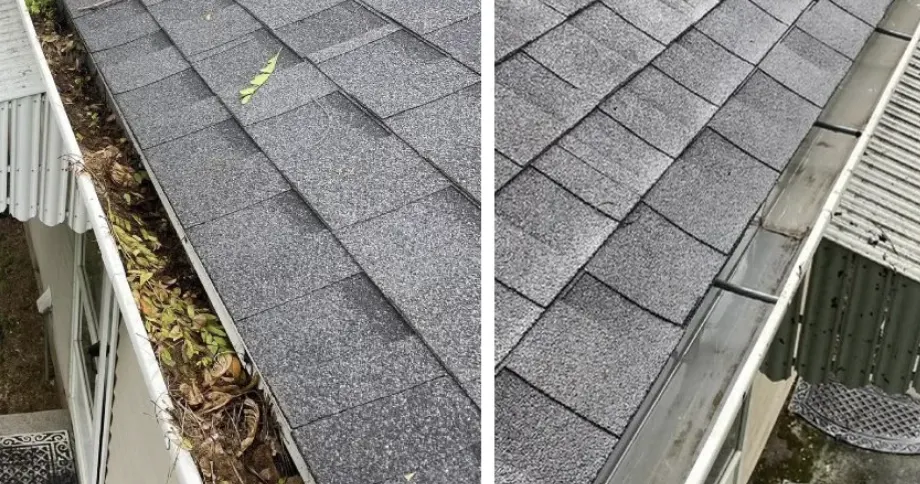
Three things kill gutter guards here. Ice: freeze-thaw cycles pry weak materials apart and deform flimsy profiles. Load: snow sliding off a roof lands on the gutter line, so a guard must be rigid and anchored, not clipped on. Debris size: the maple seeds and pine needles of a Southwestern Ontario yard are exactly the size that cheap screens pass through - which means the gutter still clogs, but now under a cover that makes it harder to clean.
The install matters as much as the product
A guard over a dirty gutter seals the problem in. A proper installation starts with a complete restoration: manual debris removal, a high-volume flush, a structural inspection for loose brackets or sagging sections, and a flow test - then the guards go on. Skip that sequence and the best guard on the market will still preside over a clogged system.
The payoff when it is done right
Quality guards installed over a restored system keep debris, birds, squirrels, and wasps out of the gutter line year-round and dramatically cut the frequency of professional cleanings. For heavily treed properties that need multiple cleanings a year, the guards typically justify themselves in avoided visits - and in the water-damage risks that come with every clog you did not catch in time.